
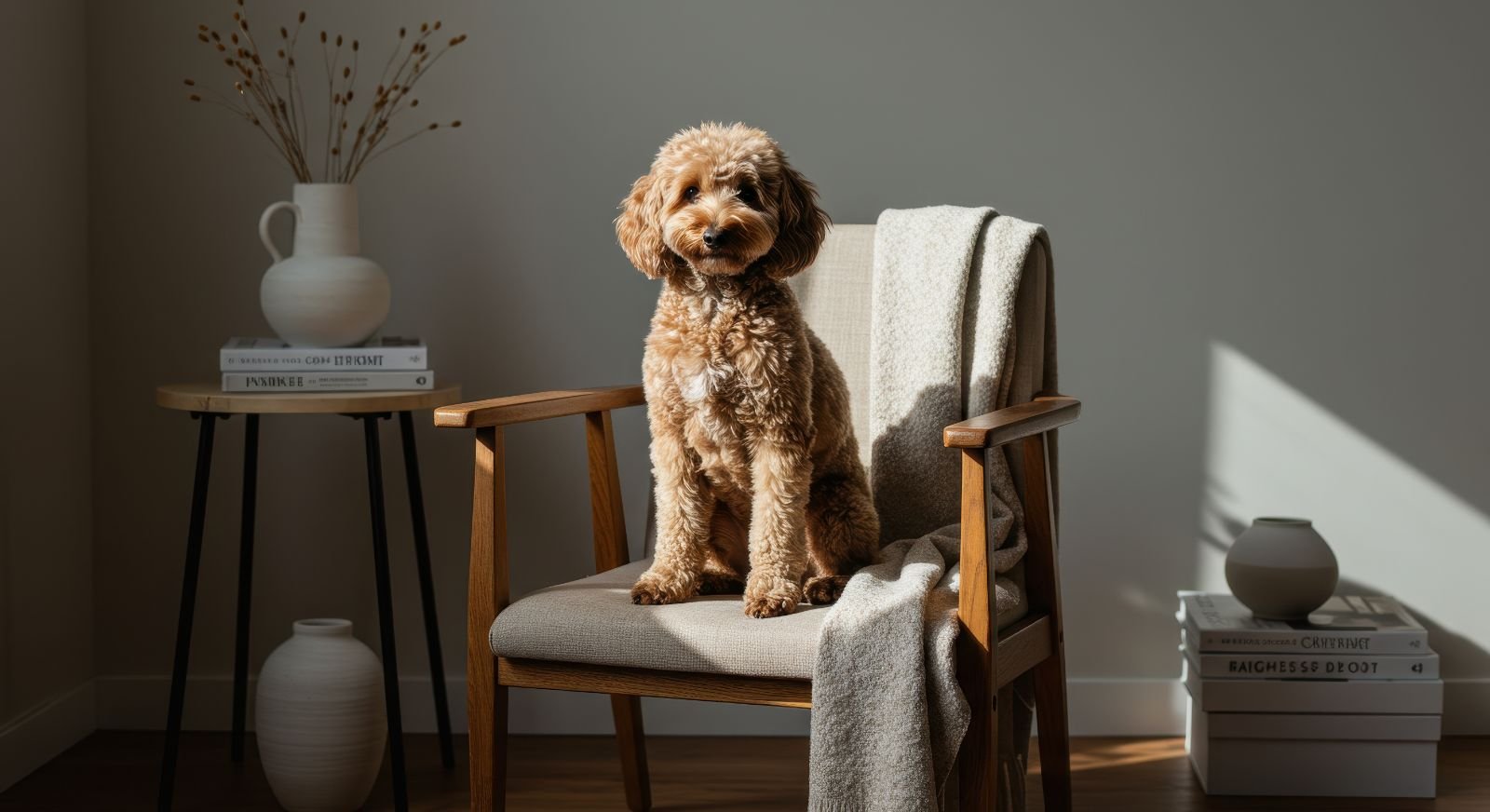
Is It Better to Keep Your Dog at Home or Board Them?
Leaving your dog behind when you travel can be harder than packing your own suitcase. You may wonder whether your dog will be happier staying in familiar surroundings, spending time with a sitter, or staying at a professional boarding facility. There is no single answer that works for every dog.
The better choice depends on your dog’s personality, daily routine, age, health, social habits, and how long you will be away. Some dogs enjoy the activity and attention that comes with boarding, while others are much more comfortable staying in their own home.
Before making a decision, it helps to understand how each option works and what your dog actually needs.
Should You Leave Your Dog at Home or Board Them?
For some dogs, staying home is the least disruptive option. They can sleep in their usual bed, eat at their normal times, go for walks in familiar places, and remain surrounded by familiar sights and smells. This can be especially helpful for dogs that become nervous when their surroundings change.
Boarding can be a better fit for dogs that are comfortable around unfamiliar people, new environments, and other dogs. A good boarding facility can provide supervised care, exercise, meals, rest periods, and regular attention while you are away.
The key is not simply asking which option is more convenient for you. Ask which environment is most comfortable and safe for your individual dog.
What Is Dog Boarding?
If you have never used this type of service before, you may wonder, what is dog boarding?
Dog boarding is temporary care where your dog stays somewhere other than your home while you are away. This may be a professional boarding kennel, pet hotel, veterinary facility, or sometimes a caregiver’s home. Depending on the provider, services can include feeding, bathroom breaks, exercise, playtime, rest, and medication support.
Boarding can be particularly convenient when you are traveling for several days and want your dog to have consistent supervision. However, facilities differ considerably. Some are quiet and small, while others accommodate many dogs and offer group activities.
That is why visiting a facility before booking can be worthwhile.
What Is Pet Boarding?
Another common question is, what is pet boarding?
Pet boarding is a broader term for temporary overnight or extended care for pets while their owners are unavailable. Although the service can include different animals, dog boarding is one of the most common forms. Depending on the provider, pets may stay at a dedicated facility, veterinary clinic, pet hotel, or home-based boarding arrangement.
When comparing providers, look beyond attractive photos or advertisements. Ask how pets are supervised, where they sleep, how often they exercise, what happens during emergencies, and whether staff can follow your dog’s feeding or medication routine.
When Staying Home May Be Better
Keeping your dog at home can make sense when your pet is strongly attached to its surroundings or becomes stressed by unfamiliar places.
Dogs that may benefit from staying home include those that:
- Are nervous in new environments
- Prefer a predictable daily routine
- Are older and less comfortable with changes
- Have difficulty adjusting to groups of unfamiliar dogs
- Are more relaxed when sleeping in their own space
- Have specific household routines that are difficult to reproduce elsewhere
In these situations, having a trusted person care for your dog at home may be less disruptive than moving them to another environment.
Your dog can continue eating familiar food, using the same sleeping area, and following the routine they already know.
When Boarding May Be the Better Choice
Boarding may be a good option for dogs that are social, adaptable, and comfortable around other people and animals.
A well-run boarding facility can provide structured care when you cannot be there. Some dogs enjoy having supervised playtime and human interaction throughout the day. Professional facilities may also have established procedures for feeding, cleaning, exercise, and monitoring pets.
Boarding can also be practical when you are away for an extended period and do not have a reliable person who can visit your home several times each day.
However, the quality of care matters. A facility that is appropriate for one dog may not be suitable for another.
What About In-Home Dog Boarding?
In home dog boarding is another option worth considering. In this arrangement, your dog stays at the caregiver’s home rather than at a traditional boarding facility.
This can provide a more home-like environment while still giving you the convenience of having someone care for your dog while you are away. Some dogs enjoy this middle ground because they receive more individualized attention without being in a large kennel environment.
It is important to ask whether the caregiver has other pets, how many dogs they accept at one time, where your dog will sleep, and whether someone will be present throughout the stay.
The term “in-home boarding” can also mean different things from one provider to another, so clarify exactly where your dog will stay before making arrangements.
Is Dog Sitting a Better Alternative?
Another possibility is a dog sitting arrangement, where a caregiver looks after your dog while they remain at home.
This can be particularly appealing if maintaining your dog’s normal routine is important. Instead of introducing your dog to a new location, the sitter can follow the schedule your pet already knows.
Dog sitting can involve regular visits during the day or a sitter staying in your home, depending on the service. If your dog needs frequent attention or becomes uncomfortable when left alone, ask exactly how much time the sitter will spend with them.
The biggest advantage is familiarity. Your dog remains in its own environment, which can make the transition easier for pets that do not enjoy change.
How to Decide Which Option Is Right for Your Dog
Instead of choosing based only on price or convenience, consider these five factors.
1. Your Dog’s Personality
Is your dog confident and social, or cautious and easily overwhelmed? A social dog may enjoy boarding, while a nervous dog may prefer familiar surroundings.
2. Your Dog’s Age
Puppies, adult dogs, and senior dogs can have very different care requirements. Older dogs may need more rest or medication, while younger dogs may need more exercise and stimulation.
3. Health and Medication Needs
If your dog takes medication or requires special care, make sure the provider is prepared to follow those instructions. For some pets, a familiar home environment may make daily care easier.
4. Length of Your Trip
A short overnight stay and a two-week vacation are very different situations. For longer trips, consider whether your dog will be comfortable with the arrangement for the entire period.
5. Your Dog’s Previous Experience
If your dog has never been away from home, consider a short trial stay before committing to a longer boarding period. This gives you an opportunity to see how your dog responds.
Questions to Ask Before Boarding Your Dog
If you decide to board your dog, do some research before making a reservation.
Ask the provider:
- Where will my dog sleep?
- How often will dogs receive exercise?
- Are dogs grouped together for play?
- How are dogs separated if they do not get along?
- Is someone available during emergencies?
- Can you administer medications?
- What vaccination requirements do you have?
- How will you handle feeding instructions?
- Will I receive updates while I am away?
- What happens if my dog becomes sick?
It is also a good idea to tour the facility when possible. Pay attention to cleanliness, odors, noise levels, staff interaction, security, and the overall behavior of the dogs.
Where Can I Board My Dog?
If you’re asking, where can I board my dog, start by looking for established boarding kennels, pet hotels, veterinary boarding services, or reputable in-home boarding providers in your area.
Do not choose solely from an online listing. Check reviews, ask about policies, and visit the location if possible. A good provider should be willing to explain its daily routine and answer questions about your dog’s care.
You can also ask your veterinarian, friends, family members, or other local dog owners for recommendations. Personal experiences can help you create a shortlist, but you should still evaluate the provider yourself.
How to Make Boarding Easier for Your Dog
If boarding is the right choice, a little preparation can make the experience easier.
Start by keeping your dog’s routine consistent before the trip. Give the boarding provider clear instructions about food, medication, exercise, sleeping habits, and anything else they should know.
A trial stay can also help. Rather than making the first boarding experience a week-long trip, consider trying a shorter stay first.
Bring only the items the facility allows, such as your dog’s regular food, medication, and a familiar comfort item. Avoid making departure unnecessarily emotional. A calm handoff can help keep the experience positive.
Most importantly, choose a provider that understands your dog’s individual needs rather than assuming every dog should receive exactly the same type of care.
Final Thoughts
So, is it better to keep your dog at home or board them?
For some dogs, home is clearly the more comfortable choice. For others, a professional boarding facility can provide safe supervision, exercise, companionship, and structure. In-home boarding can offer another middle ground, while a sitter can allow your dog to remain in familiar surroundings.
The best choice depends on your dog’s temperament, routine, health needs, and previous experiences.
Before you leave, take time to compare your options, ask questions, and consider how your dog responds to change. When the care arrangement matches your dog’s personality and needs, you can travel with greater peace of mind knowing your companion is being looked after.
Frequently Asked Questions
1. Is it better for a dog to stay home or go to boarding?
There is no universal answer. Dogs that are comfortable with new environments and social interaction may do well in boarding, while anxious, elderly, or routine-dependent dogs may be more comfortable staying at home with a trusted caregiver.
2. What is dog boarding and how does it work?
Dog boarding is temporary overnight or extended care outside your home. Your dog may stay at a kennel, pet hotel, veterinary facility, or caregiver’s home, depending on the type of boarding service.
3. What is pet boarding?
Pet boarding is temporary care where an animal stays away from its owner’s home while the owner is unavailable. It commonly includes overnight accommodation, feeding, supervision, exercise, and other basic care.
4. Is in-home dog boarding less stressful for dogs?
It can be for some dogs because the setting may feel more like a home environment. However, every dog reacts differently, so you should consider the caregiver’s home, other pets, number of dogs, and your dog’s personality before choosing it.
5. Where can I board my dog?
You can consider professional boarding kennels, pet hotels, veterinary boarding facilities, or reputable in-home boarding providers. Visit potential providers and ask about supervision, safety, exercise, sleeping arrangements, and emergency procedures before booking.
6. Is dog sitting better than boarding?
Dog sitting may be better for dogs that are most comfortable in their own home and routine. Boarding can be more suitable for social, adaptable dogs that enjoy structured care and interaction. The right choice depends on the individual dog.
7. How can I prepare my dog for their first boarding stay?
Try a short trial stay first, provide clear feeding and medication instructions, maintain a familiar routine, and choose a provider that understands your dog’s needs. A gradual introduction can make the first longer stay easier.